Pakistan’s Solar Energy Landscape: Latest Policy, Pricing, and Grid Shifts
Pakistan’s solar sector has experienced its most decisive transformation to date. With utility tariffs crossing Rs. 50–65+ per unit (inclusive of taxes and Fuel Charges Adjustments), solar power is no longer just an alternative—it has become essential utility infrastructure for homes, commercial setups, and industries across the country.
However, the strategy for going solar has fundamentally changed. Between major regulatory overhauls by NEPRA and the mass arrival of next-generation N-Type PV technology, here is the current reality of Pakistan’s solar market.
1. The Major Policy Shift: Net Metering Replaced by Net Billing
Under NEPRA’s Prosumer Regulations, the decade-old 1:1 net metering framework has officially concluded for new applicants and transitioned into a Net-Billing regime:
-
-
-
Separate Pricing for Export vs. Import: Grid imports continue to be billed at full peak/off-peak retail tariffs (approx. Rs. 38 to Rs. 55+ per unit before taxes). Surplus daytime solar exported back to the DISCO is now purchased separately at the National Average Energy Purchase Price—currently around Rs. 10 to Rs. 11 per unit.
-
Grandfathering for Existing Users: Consumers whose net metering agreements were executed prior to the regulatory cut-off retain their legacy terms and higher buyback rates for the duration of their remaining contracts, provided system capacity is not enlarged.
-
Shorter Contract Terms: New net-billing agreements now operate on 5-year renewable contract terms (down from 7 years).
-
-
Strategic Takeaway: Oversizing an on-grid system simply to dump units onto the grid is no longer financially viable. The goal is direct self-consumption and storing daytime generation for nighttime use.
2. The Rapid Rise of Hybrid Systems & LiFePO4 Storage
Because exported units earn roughly Rs. 10–11 while imported evening units cost over Rs. 50, standard on-grid systems are taking a back seat to smart hybrid setups.
-
-
-
Lithium Iron Phosphate (LiFePO4) Battery Packs (48V / 51.2V wall-mounted or rack modules) have replaced traditional tubular/lead-acid batteries.
-
By storing peak afternoon generation to run high-load inverter ACs and essentials through peak billing hours (5 PM to 11 PM), consumers capture the full retail value of every kilowatt-hour rather than selling it at a discount.
-
-
3. Hardware Standards: The End of P-Type Panels
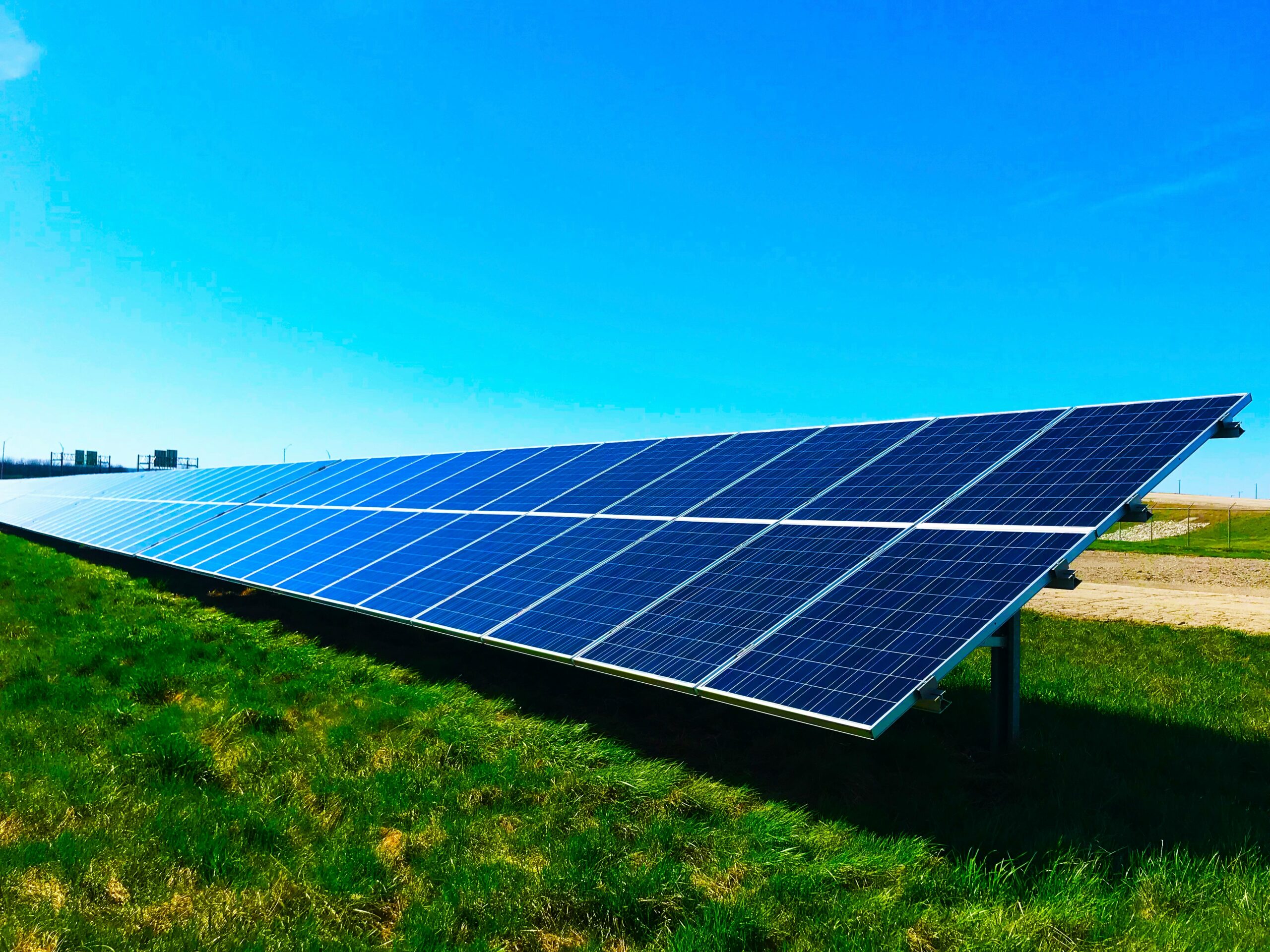
Old 540W–550W P-Type PERC modules have been phased out of primary commercial shipments. Today’s local tier-1 market is dominated by N-Type TOPCon and ABC Bifacial panels (ranging from 585W up to 720W+) from manufacturers such as Jinko, LONGi, Canadian Solar, JA Solar, and Trina:
-
-
-
Higher Efficiency & Bifacial Gain: Captures reflected sunlight from rooftops, boosting output by an additional 10%–25%.
-
Superior Temperature Coefficients: Delivers substantially better generation during harsh summer heatwaves where older panels suffered thermal throttling.
-
Minimal Degradation: First-year degradation drops below 1%, with 30-year linear performance warranties.
-
-
Current Solar Panel & System Pricing in Pakistan
Local panel prices trade within a stable, highly accessible band:
-
-
-
Panel Price per Watt: Genuine Tier-1 N-Type bifacial modules average between PKR 39 and PKR 45 per watt.
-
Single Module Cost (585W – 720W): Ranges from PKR 24,500 to PKR 32,000+ per module depending on brand tier and wattage.
-
-
Estimated Complete Turnkey Installations
(Includes Tier-1 N-Type bifacial modules, smart inverters, customized galvanized framing/structures, pure copper wiring, AC/DC surge protection switchgear, and engineering installation):
| System Capacity | Estimated Cost Range (PKR) | Primary Application |
| 5 kW System | PKR 850,000 – 1,050,000 | 5–10 Marla homes (1–2 Inverter ACs, refrigerator, water pump, lights/fans) |
| 10 kW System | PKR 1,600,000 – 2,050,000 | 1-Kanal homes & commercial offices (multiple ACs, full daytime loads) |
| 15 kW System | PKR 2,400,000 – 2,950,000 | Large residences, farmhouses, and light commercial setups |
| 20 kW – 50 kW+ | Tailored to load profile & site | Commercial buildings, plazas, schools, factories, and agricultural tubewells |
(Note: Adding dedicated LiFePO4 battery storage alters the total turnkey investment based on storage capacity in kWh.)
Why Choose Enabling Solutions for Your Solar Transition?
In a net-billing environment, technical engineering matters more than ever. An improperly configured setup can cost you money. Enabling Solutions provides high-efficiency, compliant solar engineering:
-
-
-
Consumption-Optimized Design: We conduct detailed load analysis to size your system around actual daytime usage and evening requirements, eliminating wasted capital expenditure.
-
Storage-Ready Hybrid Engineering: Seamless integration of smart hybrid inverters and LiFePO4 energy storage to maximize your self-consumption and protect you from grid tariff increases.
-
Tier-1 Quality Only: Genuine, documented A-grade N-Type TOPCon bifacial modules backed by standard 12-year product and 25-to-30-year performance warranties.
-
End-to-End DISCO Approvals: Complete management of DISCO net-billing applications, bi-directional smart meter procurement, and compliance certifications.
-
Performance Monitoring & After-Sales: Real-time cloud-based performance tracking, preventative maintenance, and dedicated local support.
-
-
Frequently Asked Questions (FAQs)
1. Is installing solar still worth it under the new Net-Billing rules?
Yes. While exported units earn less, every unit of electricity you generate and use yourself directly offsets grid tariffs that exceed Rs. 50–60+ per unit. When sized to your actual load profile, typical residential systems achieve a full payback within 2.5 to 3.5 years.
2. Should I opt for an On-Grid or Hybrid setup?
Hybrid systems with lithium batteries provide the best return and security. They allow you to store cheap daytime solar for evening hours instead of selling it to the grid at Rs. 10–11, while keeping your home powered through grid blackouts.
3. What is the standard panel technology installed currently?
Modern tier-1 installations use N-Type TOPCon bifacial modules (585W–720W+). Older 540W/550W P-Type panels have been phased out due to lower efficiency and higher heat degradation.
Contact Enabling Solutions
Book a site audit and receive a customized load-tailored solar plan:
-
-
-
Mobile / WhatsApp: +92 343 222 4411
-
UAN: +92 340 2222 800
-
Landline: 051 8775146
-
Email: info@e-sols.com
-
Website: enablingsolutions.co.uk
-
-